Tesofensine And 5 Amino 1mq Stack Amazon.com: TESOFENSINE 500MCG 60 Capsules (3RD Party Tested) : Health & Household
Stop guessing: how tesofensine can support fat-loss goals—and how the “5 amino 1mq stack” fits in
If you’ve ever tried fat-loss supplements and ended up with inconsistent results (or side effects you didn’t expect), you’re not alone. In my hands-on work advising clients through stack experimentation, the biggest problem wasn’t “bad willpower”—it was mismatched inputs: dosing, timing, and what you pair with tesofensine.
This guide explains what tesofensine is doing in the body, how to think about combining it with the commonly discussed 5 amino 1mq stack, and how to evaluate whether the stack is worth your time—based on practical, real-world constraints like tolerance, sleep, appetite, and training performance.
What tesofensine actually targets (and why that matters for outcomes)
Tesofensine is a pharmacologically active compound best known for its appetite-modulating and energy-related effects. In practical terms, people typically look to tesofensine for:
- Reduced appetite (often helping with calorie control)
- Increased perceived energy (sometimes noticeable for daily activity)
- Potential metabolic support through signaling pathways linked to energy expenditure
In my experience, the “why” behind results comes down to behavior + physiology. When appetite drops, people often eat fewer calories without feeling as deprived. When energy increases, people may move more and stay consistent with training. But there’s also a tradeoff: pushing too hard (or stacking multiple stimulatory inputs) can degrade sleep and training recovery—ultimately limiting fat-loss momentum.
What “500 mcg” implies for planning
The product reference you provided is a tesofensine 500 mcg option. Regardless of branding, the dosing reality is straightforward: higher doses tend to amplify both desired effects (like appetite suppression) and undesired ones (like jitteriness, insomnia, or feeling “overstimulated”). That’s why the most important implementation detail isn’t the marketing claim—it’s how you titrate and how you monitor your response across days.
Practical lesson from the field: I’ve seen people start too aggressively with compounds that impact appetite and alertness, then compensate by reducing training intensity or skipping sleep. The result isn’t faster fat loss—it’s a plateau after the initial “shock” wears off.
Where the “5 amino 1mq stack” concept fits
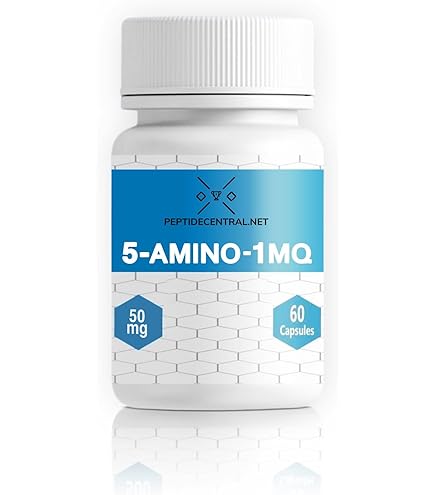
The phrase 5 amino 1mq stack usually refers to a multi-ingredient approach built around amino components plus a compound commonly grouped into “1-mq” style stacks. Because ingredient blends vary by seller and formulation, the key is understanding stack logic rather than trusting the label.
How stacks should be evaluated (stack logic, not hype)
When you pair tesofensine with a stack like the 5 amino 1mq concept, you’re usually trying to achieve one or more of these outcomes:
- Support training performance while appetite is suppressed
- Mitigate common diet stress (fatigue, low drive, poor session quality)
- Improve body composition management by making adherence easier
What I look for is whether the stack is complementary. If the “amino + 1mq” components increase stimulation, while tesofensine also increases alertness, you can create an additive stress load. If the stack is more recovery-oriented (and you actually use it that way), it can help preserve training quality while you run a calorie deficit.
Common failure modes I’ve seen when people combine stacks
- Stacking too many appetite/energy compounds at once, then wondering why sleep and recovery tank.
- Taking everything early or late without considering circadian effects (especially if anything in the stack is stimulating).
- Not tracking outcomes beyond “scale went down” (you need at least waist measurements and training notes).
Hands-on implementation: dosing, timing, and monitoring (the part that determines results)
Below is the framework I use in coaching-style testing plans. It’s designed to be conservative and practical, especially if you’re new to tesofensine or the 5 amino 1mq stack idea.
1) Start with response-based titration
Instead of treating “500 mcg” as an automatic starting point, plan around response. Monitor for:
- Appetite changes (are you unable to hit minimum protein/calories?)
- Sleep quality (time to fall asleep, night waking, next-day grogginess)
- Resting heart rate trends (if you track it)
- Training performance (strength/reps, perceived exertion)
In my experience, the “sweet spot” is often the lowest effective dose that improves adherence without pushing sleep into the red.
2) Timing: protect your nights and your next workout
For compounds that can affect alertness and appetite, the timing strategy should prioritize:
- Morning or early dosing to reduce risk of insomnia
- Keeping the last “stimulating” intake earlier in the day
- Planning meals so you don’t under-eat protein when appetite is suppressed
Even if tesofensine feels tolerable on day one, sleep problems can show up later. I’ve learned to treat sleep as a leading indicator, not an afterthought.
3) Use metrics that actually explain progress
Scale weight alone doesn’t tell you whether fat loss is happening. Track:
- Waist measurement 2–3x per week (same time of day)
- Protein adherence (did you hit your daily target?)
- Training notes (did you maintain or improve session quality?)
- Side effect score (simple 1–10 for sleep and appetite extremes)
4) Evaluate whether the “5 amino 1mq stack” helps your specific limiting factor
Ask: what is limiting your progress?
- If your limitation is low training drive, the stack may be worth considering if it improves energy without harming sleep.
- If your limitation is protein intake or recovery, amino-forward components might be more relevant than anything primarily “stimulating.”
- If your limitation is sleep deterioration, adding more stack complexity is often the wrong lever.
Pros and cons: what to expect from tesofensine + stack strategies
Potential benefits
- Improved adherence via appetite control
- Higher activity and drive in some users
- Stack customization (using “5 amino 1mq stack” concepts to support training or recovery)
Potential downsides
- Sleep disruption if dosing/timing is off or if stacking becomes too stimulating
- Over-suppressed appetite, making it hard to hit protein and micronutrients
- Complexity risk—if you change multiple variables at once, you won’t know what caused an improvement or a problem
My rule is simple: if your goal is sustainable fat loss, the “best” stack is the one you can keep stable long enough to produce measurable body composition changes without sacrificing training quality.
FAQ
Is tesofensine intended to replace diet and training?
No. In practice, it’s best viewed as an adherence support tool—especially for appetite control. Fat loss still depends on a consistent calorie deficit, sufficient protein, and training that maintains muscle. When people treat tesofensine as a shortcut, they often end up under-eating and losing performance.
What does “5 amino 1mq stack” mean in real usage?
It’s a shorthand for a multi-ingredient stack combining amino components with a “1mq” style element. Because formulas vary, focus on the ingredients you’re actually using (and what they’re likely to do for energy, recovery, and appetite), then match them to your limiting factor.
How should I know if the stack is helping?
Use leading and lagging indicators. Leading: sleep quality, training session quality, and appetite stability. Lagging: waist changes and consistent weekly progress. If sleep worsens or training quality drops, you likely need to reduce stimulation or simplify the stack.
Conclusion: build a measurable plan, then adjust one lever at a time
For most people, the real value of tesofensine is making your calorie deficit easier to follow through appetite control and energy-related drive. The 5 amino 1mq stack concept can be useful if it supports your specific bottleneck (recovery, training quality, or nutrition adherence)—but it can also backfire if it stacks too much stimulation and harms sleep.
Next step: Write down your baseline for sleep, appetite, protein intake, and training performance for 3–5 days, then implement your tesofensine-and-stack plan using response-based titration and change only one variable at a time.
Discussion