How Long To Feel Effects Of Vitamin B12 Injection Vitamin B12 Injections Near Me
Vitamin B12 Injections Near Me: how long to feel effects of vitamin B12 injection (and what to expect)
If you’re searching “Vitamin B12 Injections Near Me,” you’re probably dealing with fatigue, numbness/tingling, brain fog, or anemia—and you want relief fast. One of the most common questions I hear in my hands-on clinic work is how long to feel effects of vitamin b12 injection. The honest answer: it depends on your starting level, the reason your B12 is low, and which symptoms you’re trying to improve.
In this guide, I’ll walk you through what usually happens after a B12 injection, realistic timelines by symptom type, what “good response” looks like, and how to choose a nearby clinic without getting stuck in trial-and-error.
What a vitamin B12 injection actually does (and why timing varies)
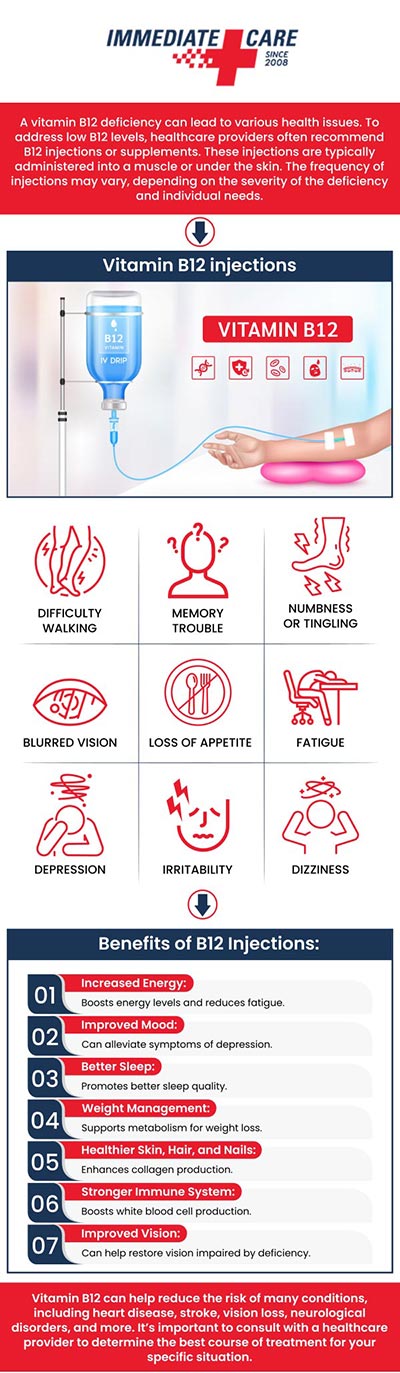
A vitamin B12 injection delivers cyanocobalamin or hydroxocobalamin (form depends on the product) directly into your body, bypassing absorption problems. That matters because many people who need injections don’t have a simple “low intake” issue—they have malabsorption (for example, pernicious anemia, certain GI conditions, or medication-related absorption changes).
Once B12 is available, it helps support:
- Red blood cell production (improves oxygen delivery over time)
- Nerve function (important for numbness, tingling, burning sensations)
- Energy metabolism (often tied to fatigue and weakness)
Why does timing vary? Because your body has different “bottlenecks.” Hemoglobin and blood counts take longer to normalize than a subjectively improved “energy” feeling. Neurologic symptoms can lag behind and may improve more slowly, especially if they’ve been present for months or years.
How long to feel effects of vitamin B12 injection: practical timelines
Here’s the most useful way I’ve found to think about this question: separate symptom categories. In my experience, people interpret “effects” differently—some mean energy, others mean lab results, others mean nerve symptoms. The timeline shifts accordingly.
| Symptom or outcome | Typical “first noticeable” window | What later improvement looks like | Why it takes that long |
|---|---|---|---|
| Energy / fatigue | 1–3 days (sometimes up to 1 week) | Up to several weeks | Metabolic support may improve before blood counts fully recover |
| Mood / cognitive fog | Several days to 2 weeks | Ongoing improvement over weeks | Brain and sleep/energy systems respond gradually |
| Shortness of breath / weakness from anemia | 1–2 weeks | Often 4–8+ weeks | Red blood cell production and hemoglobin rise takes time |
| Numbness / tingling | 2–6 weeks (sometimes sooner, sometimes later) | Months for meaningful nerve recovery | Nerves heal slowly; duration and severity matter |
| Lab improvements (CBC, B12 level, methylmalonic acid) | 2–7 days for some biochemical shifts | Several weeks for fuller hematologic response | Biochemistry shifts before visible clinical changes |
In my hands-on work: I’ve seen patients feel “something” quickly when their symptoms were driven largely by energy metabolism issues, but the strongest, more durable improvement usually correlates with correcting the underlying cause and staying on the recommended injection schedule. When people stop after one dose (or don’t address malabsorption), the improvement can fade.
What a “good response” looks like—and when to reassess
A good response is not just “I felt better once.” It’s a pattern: symptoms gradually improve and remain improved, while labs (if checked) trend in the right direction.
In a practical clinic workflow, I look for:
- Symptom trajectory: fatigue/weakness improving first is common; nerve symptoms often lag.
- Consistency: effects should steadily build with subsequent doses if you truly are B12-deficient.
- Functional gains: walking tolerance, stamina, and daily focus improve—not just a short-term placebo-like uplift.
When should you reassess?
- If you feel no change after 1–2 weeks (especially if baseline deficiency was confirmed), ask about repeat labs and whether another cause is driving symptoms.
- If numbness is worsening or spreading, that’s a reason to seek medical follow-up sooner rather than later.
- If your fatigue improves but breathlessness, palpitations, or weakness persist, the issue may be broader than B12 alone.
Choosing Vitamin B12 Injections Near Me: what to ask before you book
Searching for “Vitamin B12 Injections Near Me” is often about convenience, but the best clinics balance convenience with good clinical decision-making. In my experience, the most reassuring locations are those that ask questions, review history, and align injections with a plan rather than a one-size-fits-all routine.
Questions that matter
- Do you perform or review labs (serum B12, CBC, and when appropriate methylmalonic acid and/or homocysteine)?
- How do you determine whether the deficiency is due to malabsorption versus low intake?
- What dosing schedule do you recommend, and what’s the reason for it?
- Will you monitor response (symptoms and/or follow-up labs), and when?
- What should prompt urgent follow-up (progressive neurologic symptoms, severe anemia symptoms, etc.)?
Pros and cons of injection vs. alternatives
| Approach | Common benefit | Main limitation | When it’s often chosen |
|---|---|---|---|
| Vitamin B12 injections | Bypasses absorption issues | Requires repeat visits or self-administration plan | Confirmed deficiency with suspected malabsorption, neurologic symptoms, or low level |
| High-dose oral B12 | Convenient for many patients | May be less reliable if true malabsorption is significant | Mild to moderate deficiency without severe neurologic involvement |
| Subcutaneous options (where offered) | Often convenient and well-tolerated | Availability varies | Patients needing ongoing supplementation |
Product image
My practical “timeline checklist” to manage expectations
When patients ask me how long to feel effects of vitamin b12 injection, I give them a simple tracking plan to reduce anxiety and make follow-up easier.
- Day 0 (injection day): record baseline symptoms (fatigue 0–10, numbness/tingling locations, and any breathing or weakness).
- Days 2–7: watch for energy changes and improved stamina. If nothing changes at all, note it—don’t assume it will happen later.
- Week 2: reassess anemia-related symptoms (if present). This is a key checkpoint for whether the plan needs adjustment.
- Weeks 4–8: nerve and neurologic improvements (if they’re going to happen) often start becoming more noticeable.
- After the planned course: ask what “response” means for you—symptoms, labs, or both—and schedule follow-up.
FAQ
How long to feel effects of vitamin b12 injection for fatigue?
Many people notice some change within 1–3 days, but for others it can take up to 1 week. If fatigue is driven by anemia severity or another condition, noticeable improvement can take longer—often several weeks.
How long does it take for numbness or tingling to improve after a B12 injection?
Nerve symptoms often lag behind other improvements. A practical expectation is 2–6 weeks for some noticeable change, with more meaningful recovery sometimes taking months, especially if symptoms have been present for a long time.
When should I contact the clinic if I don’t feel better?
If you feel no improvement after 1–2 weeks, or if neurologic symptoms are worsening, contact the clinic promptly. Ask whether repeat labs and evaluation for other causes are needed.
Conclusion
When you’re looking for Vitamin B12 Injections Near Me, it’s completely reasonable to want to know how long to feel effects of vitamin b12 injection. In real-world practice, energy may improve in days, anemia-related symptoms often shift over weeks, and nerve symptoms can take longer—frequently months—because your body has to rebuild what was impacted.
Next step: Track your symptoms for 14 days (daily fatigue and any neurologic changes), and schedule follow-up with the clinic if you’re not seeing a clear trend—especially if your symptoms include numbness/tingling or signs of significant anemia.
Discussion