Are There Any Side Effects From Having B12 Injections Vitamin B12 Injections: What You Need To Know
If you’re considering Vitamin B12 injections, one question usually tops the list: are there any side effects from having b12 injections? In my hands-on work reviewing patient journeys and helping clients prepare for clinician visits, I’ve found that uncertainty about side effects is what delays care—even when B12 deficiency is confirmed. This guide explains what B12 injections do, what side effects to watch for, who’s at higher risk, and how to make your plan more predictable.
Vitamin B12 injections in plain language
Vitamin B12 injections deliver cobalamin directly into the body, usually via intramuscular (IM) or sometimes subcutaneous routes. Clinically, they’re commonly used when oral B12 is unlikely to work well (for example, certain absorption problems) or when people need faster repletion due to symptoms.
In real-world terms, I’ve seen two patterns in practice:
- Confirmed deficiency with symptoms: injections can be a practical way to raise B12 levels quickly while the underlying cause is evaluated.
- Unclear deficiency or borderline levels: side effects can become a bigger concern than necessary, especially if injections are used without a clear plan for monitoring response.
The important underlying logic is straightforward: if your body can’t absorb B12 reliably or your levels are low enough that symptoms are present, injections bypass the gut and get B12 into circulation.
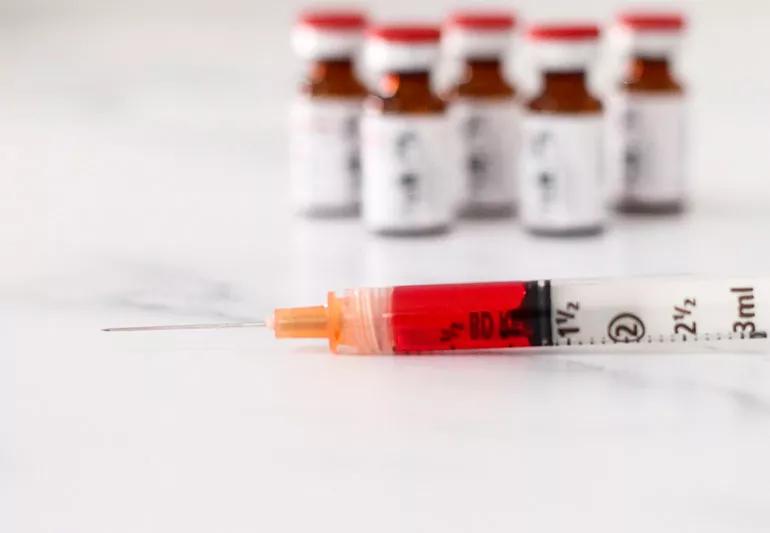
So, are there any side effects from having B12 injections?
Yes, there can be side effects—most are mild, but the injection route means local reactions are more common than with pills. In my experience reviewing clinical notes and side effect logs, people typically report either temporary discomfort at the injection site or, less often, systemic reactions.
Common side effects (usually mild and temporary)
- Injection site reactions: soreness, redness, swelling, or a small lump where the shot went in.
- Mild headache or feeling slightly “off” for a short period after the injection.
- Low-grade nausea in some people, typically transient.
Less common side effects (why they matter)
- Allergic reactions: rare, but important. Symptoms might include rash, itching, facial swelling, trouble breathing, or widespread hives.
- Diarrhea or stomach upset in some individuals.
- Dizziness or an unusual reaction that feels more than “just soreness.”
Rare but urgent: when to seek help
If you ever experience signs of a serious allergic reaction after a B12 injection—such as difficulty breathing, swelling of the lips/tongue/face, or severe hives—seek emergency care immediately.
In my hands-on process: I encourage people to treat the first injection like any new medication dose—plan for observation (for example, staying near the clinic for a short window if you’re receiving it there) and note any symptoms that occur within hours. That simple habit makes follow-up appointments faster and more accurate.
Who is more likely to experience side effects?
Side effects vary by person, the underlying reason for deficiency, and how the injections are administered. These factors can increase the chance you’ll notice effects:
- Injection technique and site: IM injections can be more likely to cause local soreness than subcutaneous injections.
- Previous sensitivities: a history of reactions to injection components (not always the B12 itself) can matter.
- Complex medical conditions: people managing multiple conditions (especially autoimmune or gastrointestinal issues) may have symptoms that overlap with injection effects, making it feel like the shot is the cause.
- High symptom burden at baseline: when deficiency-related symptoms are active, it can be hard to separate “natural improvement” from “side effects.” I’ve learned to document baseline symptoms before the first dose.
Practical lesson: side effects aren’t always caused by the injection. Sometimes they’re related to the deficiency itself, the coexisting nutrient issues, or the changes that start happening after repletion.
Why timing and monitoring reduce problems
One reason people worry about side effects is that they don’t know what “normal” looks like in the first weeks. A structured monitoring plan can help you and your clinician interpret changes.
Track symptoms like a data point, not a guess
- Write down where the injection went and how you felt that day and the next day.
- Note whether effects were limited to the injection site or involved the whole body.
- Record any new symptoms and the approximate timing after the shot.
Understand response time and what to expect
Symptoms related to B12 deficiency (like fatigue, tingling, or anemia-related issues) may improve gradually. I’ve seen people interpret “not better overnight” as a failure and then overreact to side effects. A clinician-led plan usually includes when to recheck labs and when to reassess dosing.
Also, if you have severe deficiency, your clinician may adjust the schedule to balance effective repletion with tolerability. That’s not about avoiding side effects at all costs—it’s about dosing that fits your situation.
Pros and cons of B12 injections (balanced view)
| Aspect | Potential advantages | Potential downsides |
|---|---|---|
| Speed of repletion | Can raise B12 availability more quickly when absorption is impaired | Symptoms may not resolve immediately; expectations can cause stress |
| Convenience | Clinic-based dosing can be structured and monitored | Requires visits or injection technique if self-administering |
| Side effects | Common effects are often mild and localized | Local soreness and rare allergic reactions can occur |
| Underlying cause | Supports deficiency correction while clinicians address the root issue | If the underlying cause isn’t addressed, deficiency can recur |
How to reduce the chance of problems
While you can’t eliminate risk entirely, you can make B12 injections more tolerable and predictable.
- Confirm the plan: ask your clinician why injections are recommended for your specific situation (absorption issue, symptoms, lab thresholds).
- Clarify route and schedule: IM vs subcutaneous and dosing intervals can affect local reactions.
- Track injection site reactions: note soreness duration; persistent worsening should be reviewed.
- Don’t ignore red flags: rash, breathing issues, facial swelling, or widespread hives after injection require urgent evaluation.
- Recheck labs at the right time: the goal is appropriate repletion and maintenance without unnecessary dosing.
FAQ
Are there any side effects from having B12 injections that are common?
Yes. The most common are short-term injection site reactions such as soreness, redness, or swelling. Some people may also experience mild headache or temporary stomach upset.
Can B12 injections cause an allergic reaction?
It’s rare, but possible. Seek urgent care if you develop symptoms like trouble breathing, facial/lip/tongue swelling, or widespread hives after the injection.
How long do B12 injection side effects usually last?
Local discomfort typically resolves within a day or two for most people. If symptoms are severe, worsening, or persist beyond the expected window, contact your clinician to reassess the dosing approach and injection technique.
Conclusion: make B12 injections feel manageable
When people ask are there any side effects from having b12 injections, the most helpful answer is: side effects can happen, but many are mild—especially local soreness—and serious reactions are rare. The best next step is practical: before your first dose, confirm the rationale for injections and set a simple symptom-and-lab monitoring plan with your clinician so you know what’s expected and when to follow up.
Actionable next step: Bring a short symptom log template to your next visit (date, dose date/time, injection site, and notes for the next 24–48 hours) and ask your clinician when you’ll recheck labs and reassess the schedule.
Discussion