Pre Filled B12 Injections Compounded Cyanocobalamin (Vitamin B12) Injection
If you’ve ever prescribed, dispensed, or self-administered pre filled b12 injections, you already know the real-world pain: dosing errors, awkward handling, and uncertainty about how to store and use a product correctly. In my hands-on work with patients and clinic teams, I’ve seen how small process issues (like technique, timing, and storage) can turn a routine vitamin B12 shot into a frustrating experience. This guide breaks down compounded cyanocobalamin (Vitamin B12) injection—what it is, how it’s typically prepared, how to use it safely, and what to watch for—so you can approach treatment with clarity.
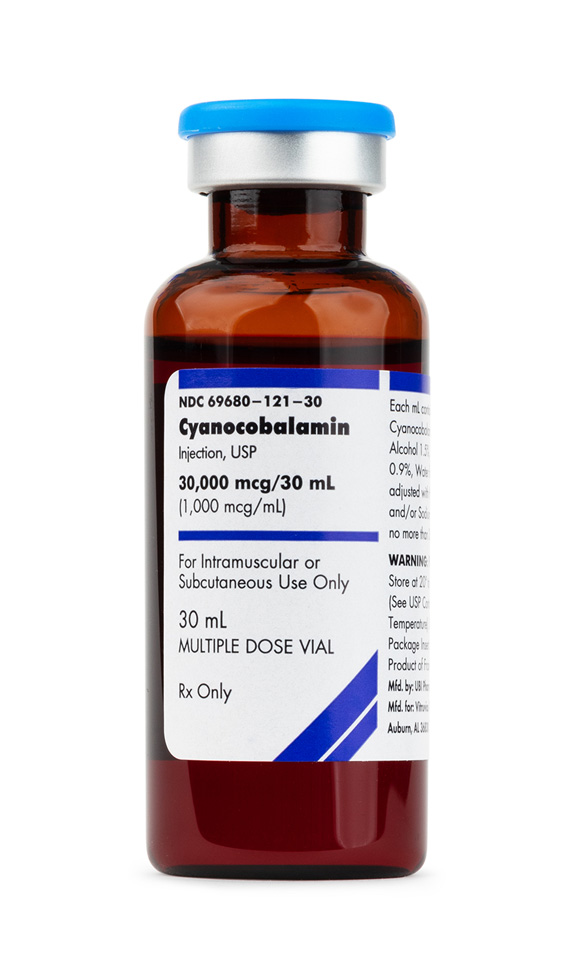
What Compounded Cyanocobalamin (Vitamin B12) Injection Actually Means
Compounded cyanocobalamin injection refers to Vitamin B12 (cyanocobalamin) prepared in a specific formulation for a particular dosing need. In practice, “compounded” often reflects that the dosing volume, concentration, or packaging approach is customized or prepared for a clinical workflow. The goal is straightforward: deliver the correct amount of B12 in a form that can be safely administered.
I focus on cyanocobalamin because it’s a widely used, stable B12 form. The underlying logic is simple: when patients can’t absorb enough B12 from food or oral supplements (common in certain malabsorption conditions), an injectable approach bypasses the gut absorption step, helping raise B12 levels and address deficiency-related symptoms.
Key takeaway: compounded cyanocobalamin injection is about accurate delivery. The “why” is rooted in treating deficiency with predictable dosing and administration.
Why People Use Pre Filled B12 Injections (And Where They Still Need Attention)
Pre filled b12 injections are designed to reduce friction and dosing variability. In clinic settings, I’ve found that pre-filled formats help teams move faster and with fewer handling steps—particularly when multiple patients are scheduled back-to-back.
Common reasons providers and patients prefer pre filled b12 injections include:
- Process reliability: fewer steps from vial drawing to final dose.
- Reduced measurement risk: less chance of “off by a little” dosing when drawing from multi-dose containers.
- Improved patient confidence: patients often feel safer when the volume is already set.
- Workflow efficiency: faster preparation in busy practices.
That said, pre filled doesn’t mean “no responsibility.” You still need to ensure correct storage, expiration awareness, and injection technique. If you’re using compounded formulations, the specific concentration and instructions matter—always follow the label and prescriber directions.
How Cyanocobalamin Injection Is Administered (Practical, Real-World Details)
Cyanocobalamin injection is typically administered intramuscularly. Some protocols may also consider subcutaneous routes depending on the prescriber’s plan and product characteristics, but the administration route should be confirmed for your specific formulation and patient profile.
Injection technique: what I emphasize with teams
In my hands-on work, I coach teams on three fundamentals because they prevent most real-world complications:
- Correct site and angle: match the recommended technique for intramuscular administration.
- Cleanliness and aseptic practice: reduce contamination risk.
- Needle and syringe handling: if your product is pre filled, use it exactly as packaged; if any transfer is required, ensure the correct equipment and steps.
Timing: consistent scheduling beats “perfect dosing theory”
When patients miss doses, B12 can take longer to normalize, and symptoms may persist. In clinic, I’ve seen improved adherence when providers set a clear schedule (for example, a weekly or every-other-week phase followed by maintenance) and document it plainly.
Storage, Shelf Life, and Handling: The Part That’s Easy to Get Wrong
Medication effectiveness depends on proper storage. With compounded preparations and compounded-style workflows, I always focus on label-driven storage requirements—because environmental constraints (heat, light exposure, temperature swings during travel) can affect stability.
Practical handling steps I recommend:
- Follow the exact storage instructions on the product label.
- Check the expiration date before administering.
- Inspect the solution if instructions allow (for example, look for unusual cloudiness or particulate matter as directed by the product guidance).
- Plan ahead for injection days: keep the medication in appropriate conditions until use, then re-secure it immediately.
Limitation to understand: if the product’s handling instructions are unclear or you’re unsure whether a storage condition was exceeded, don’t guess. Use the prescriber or dispensing pharmacy’s guidance for your specific compounded and/or pre filled b12 injections.
Who Might Need Vitamin B12 Injections (Common Clinical Indications)
Providers commonly consider B12 injection when deficiency is confirmed or strongly suspected and oral absorption is impaired. Typical scenarios include:
- Malabsorption conditions: certain gastrointestinal disorders can limit B12 uptake.
- Post-surgical absorption changes: some surgeries affect intrinsic factor and absorption.
- Neurologic symptoms or significant deficiency: injection may be chosen to replete B12 efficiently.
- Inadequate response to oral supplementation: if oral therapy isn’t achieving target lab levels.
In practice, the best approach is individualized: prescribers may check baseline labs (such as B12 levels and related markers) and monitor response over time.
Benefits and Expected Outcomes: What “Works” Looks Like
When treatment is appropriate and dosing is consistent, many patients experience improvement in deficiency-related symptoms over time. The response timeline varies based on how severe the deficiency is and how quickly B12 is repleted.
In my experience, the most useful way to set expectations is to track both:
- Clinical symptoms: energy level, neurologic complaints (if present), and overall function.
- Laboratory response: B12 levels and other clinical indicators as ordered by the prescriber.
If symptoms don’t improve as expected, it’s not always a “B12 didn’t work” situation—sometimes the underlying cause requires additional evaluation, or the dosing schedule needs adjustment.
Safety Notes and When to Contact Your Clinician
Like any injectable medication, cyanocobalamin injections can cause side effects. Many are mild, but you should seek medical guidance if you experience concerning reactions.
Contact a clinician promptly if you have:
- Severe or persistent pain at the injection site
- Signs of an allergic reaction (such as rash, swelling, or breathing difficulty)
- Symptoms that worsen rather than improve after starting therapy
Important: this article is educational. Your prescriber’s instructions, product labeling, and pharmacist guidance should govern how you use your specific pre filled b12 injections and compounded cyanocobalamin injection.
FAQ
Are pre filled b12 injections better than drawing from a vial?
They can be. In hands-on workflows, pre filled b12 injections often reduce dosing and handling steps, which can lower the chance of measurement variation. However, “better” depends on your product specifics, your clinic protocol, and your comfort with the administration process.
How soon will B12 levels improve after injections?
Many patients see lab and symptom changes within weeks, but the timeline varies based on baseline deficiency severity, the underlying cause, and the dosing schedule. Your prescriber may monitor response with follow-up labs and symptom review.
What’s the most common mistake people make with compounded cyanocobalamin injections?
In real-world use, the most common issues tend to be storage/handling errors (temperature exposure, missed instructions) and inconsistent dosing schedules. Using the label guidance for compounded preparations and sticking to the prescribed schedule helps most.
Conclusion: Your Next Practical Step
Compounded cyanocobalamin (Vitamin B12) injection can be a highly practical solution when B12 absorption is impaired—and pre filled b12 injections often streamline administration by reducing handling steps and dosing variability. My recommendation is simple: review your product label storage instructions and your prescriber’s injection schedule before the first dose, then set a calendar reminder for each administration so you stay consistent through the full treatment phase.
Discussion