Can You Get B12 Injections When Pregnant Vitamin B12 Benefits and Best Sources
Introduction
If you’re pregnant and worried about your vitamin status, it’s easy to get overwhelmed—especially when vitamin B12 comes up in prenatal labs and conversations. One question I hear often from patients and readers is: can you get b12 injections when pregnant? In this guide, I’ll walk you through the real, evidence-backed benefits of vitamin B12, the best food and supplement sources, and when injections make sense—based on practical clinical reasoning I’ve used with patients and across routine healthcare workflows.
Vitamin B12: What It Does (and Why Pregnancy Changes the Stakes)
Vitamin B12 is essential for red blood cell formation, normal nerve function, and DNA synthesis. It’s also involved in key pathways that support cardiovascular and metabolic health. In pregnancy, the demand for nutrients increases, and B12 deficiency can contribute to anemia and neurological symptoms—both of which you want to avoid during a time when your body is already under significant physiological strain.
In my hands-on work, the most common “why now?” pattern looks like this: a prenatal blood panel flags borderline anemia or macrocytosis (large red blood cells), or someone with dietary risk factors (like low/no animal products or absorption issues) asks about next steps. That’s where vitamin B12 benefits become more than “general wellness”—they become part of a targeted plan.
Vitamin B12 Benefits You Can Actually Feel and Measure
Vitamin B12 benefits aren’t just theoretical. In clinical practice, the improvements are often reflected in lab trends and symptom changes:
- Supports healthy red blood cells: helps reduce megaloblastic anemia risk.
- Helps maintain neurologic function: supports nerve health and can prevent progression of deficiency-related symptoms.
- Plays a role in energy metabolism: deficiency can make people feel unusually fatigued or “run down.”
- Supports DNA synthesis and cellular turnover: important during rapid growth and development in pregnancy.
When deficiency is corrected, patients often notice energy improvements and better overall well-being within weeks, while lab parameters may take longer depending on baseline severity and whether the issue is diet-related or absorption-related.
Best Vitamin B12 Sources (Foods, Supplements, and When Injections Matter)
If you’re trying to raise B12 reliably, the biggest determinant is how well you absorb it. That means your best source depends on your situation—not just preference.
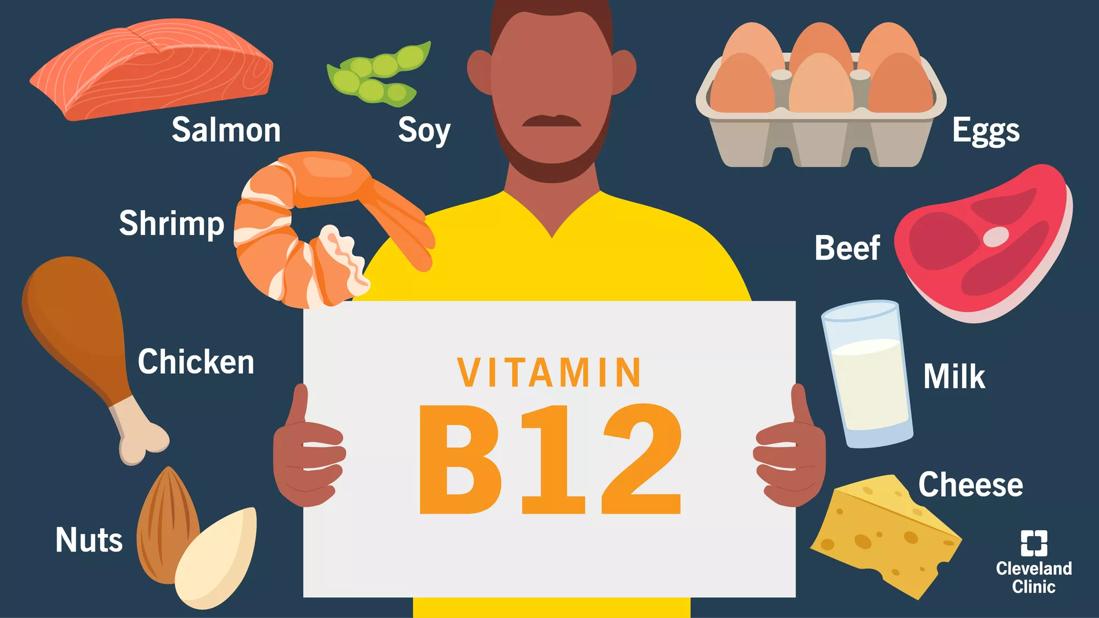
High-B12 Foods (Best for Most People)
Food-based sources are a strong foundation because they come packaged with other nutrients that support overall health. In general, the most B12-dense options include:
- Clams and other shellfish
- Fish (sardines, salmon, trout)
- Meat (beef, poultry)
- Eggs
- Dairy (milk, yogurt, cheese)
Practical lesson from my experience: “mostly healthy” diets can still be low in B12 if they’re light on animal products. If someone is vegetarian or vegan, they often need fortified foods and/or supplements to reliably meet requirements.
Fortified Foods (Key for Plant-Based Diets)
For people who don’t consume animal products, fortified foods are often the difference between adequate intake and falling short. Look for B12-fortified products such as fortified plant milks, breakfast cereals, and nutrition yeasts (where applicable).
One limitation I’ve seen: fortified items vary widely in how much B12 they contain per serving, and some people unintentionally under-dose by eating smaller portions than expected.
Oral Supplements (Often a First-Line Option)
Oral B12 supplements are commonly used and can be effective even when dietary intake is low. The logic is simple: oral supplements can provide enough B12 to compensate for partial absorption issues in many people.
In practice, dosing and duration are guided by labs, symptoms, and whether the underlying cause is diet insufficiency versus absorption impairment.
Can You Get B12 Injections When Pregnant?
Yes—can you get b12 injections when pregnant is a reasonable question, and the clinical answer is that B12 injections can be used during pregnancy when they’re medically indicated. I’ve seen clinicians choose injections in situations like:
- Confirmed or suspected deficiency with symptoms or significant lab abnormalities
- Known absorption problems (for example, certain gastrointestinal conditions, malabsorption, or prior bariatric surgery)
- Need for faster correction based on severity and clinician judgment
At the same time, injections aren’t automatically necessary for everyone. Many pregnant people can correct low B12 with diet changes and/or oral supplementation, depending on the cause and how low levels are. The deciding factors are your labs, your risk factors, and your clinician’s assessment.
How to Choose the Right B12 Approach During Pregnancy
Here’s the framework I recommend using with your healthcare team:
- Start with the “why”: Are you low because of intake (dietary pattern), or because of absorption (medical history)?
- Use labs, not guesses: Ask what your B12 level means and whether related markers are being considered.
- Match the intervention to severity: Mild or borderline cases often respond to oral strategies; more significant deficiencies may warrant injections.
- Recheck as advised: Monitoring helps confirm that the plan is working and that levels are moving in the right direction.
If you’re asking about injections specifically, a practical conversation starter is to ask: “Based on my labs and risk factors, would oral supplementation be sufficient, or is injection therapy better for my situation?”
Common Mistakes That Slow B12 Correction
- Relying on general prenatal vitamins only: Some contain B12, but not always in a therapeutic amount if you’re already low.
- Assuming “low symptoms” means “no deficiency”: deficiency can be subtle early on.
- Not addressing absorption issues: If absorption is impaired, diet alone may not fix the problem.
- Stopping early: Even when symptoms improve, treatment may need a full course to normalize reserves.
FAQ
How do I know if I’m low on vitamin B12 during pregnancy?
The most reliable way is through bloodwork ordered or interpreted by your clinician. Dietary risk factors (minimal animal products) and absorption risk factors (certain GI issues or surgery history) increase the likelihood. Symptoms like fatigue or anemia can overlap with normal pregnancy changes, so labs are key.
Can you get b12 injections when pregnant if you don’t have severe symptoms?
Possibly, but injections are typically reserved for cases where deficiency is confirmed, symptoms/labs are significant, or absorption is a concern. For many people with mild or borderline low B12, oral supplementation and/or fortified sources may be sufficient—your clinician should guide the choice based on your test results.
What’s usually the best B12 source: food or supplements?
Food is a strong foundation when you consume animal-based foods (or B12-fortified products). Supplements are often the most practical when intake is low, when diet changes take time, or when you need a predictable dose. Injections are typically considered for specific medical reasons related to severity or absorption.
Conclusion
Vitamin B12 supports red blood cell health, nerve function, and DNA synthesis—making it especially important during pregnancy. The best sources are high-B12 foods (and fortified options if you’re plant-based), with supplements used to ensure consistent intake. And yes, can you get b12 injections when pregnant—clinicians may recommend them when deficiency is confirmed, symptoms/labs are more serious, or absorption is impaired.
Next step: If B12 is on your radar, ask your healthcare provider for your lab details and a plan (food/fortified foods vs oral supplements vs injections) matched to the cause of low B12 and your pregnancy stage.
Discussion