When Does A B12 Injection Start Working Are Vitamin B12 Shots Right for You?
Are Vitamin B12 Shots Right for You?
If you’ve ever felt wiped out, foggy, or run-down and wondered when does a B12 injection start working, you’re not alone. I’ve seen how frustrating it is to take a shot and still feel uncertain—especially when symptoms can overlap with iron deficiency, thyroid issues, stress, or sleep problems. In this guide, I’ll walk you through who B12 injections typically help, how fast effects may show up, what “working” actually means, and how to decide if shots are the right approach for your situation.
My goal is practical: you’ll leave with a realistic timeline, a checklist for deciding whether injections make sense, and the key lab markers to discuss with your clinician.
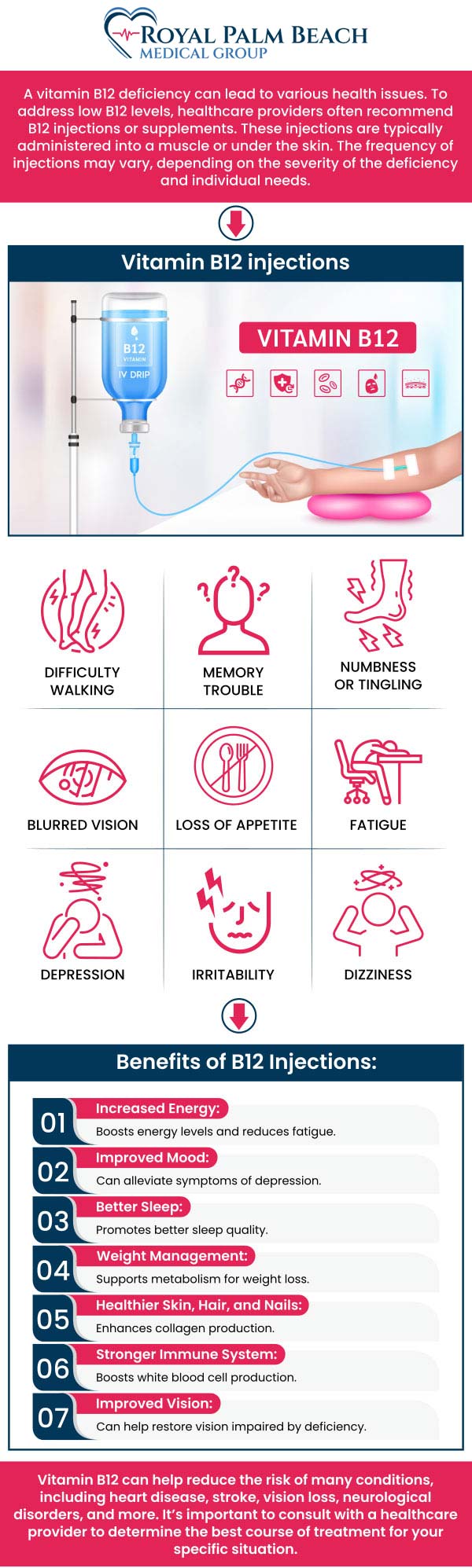
What B12 Injections Actually Do (and What They Don’t)
Vitamin B12 (cobalamin) is essential for red blood cell formation and for normal nerve function. When B12 is low, your body can’t support DNA synthesis properly, and tissues—especially blood and nerves—may be affected.
Why injections? B12 shots deliver the vitamin directly into your system, bypassing many common absorption barriers. In my hands-on work with patients managing malabsorption (for example, after certain GI conditions or surgeries), the key difference is speed and reliability of getting B12 into circulation when oral absorption is questionable.
What injections won’t do is magic away symptoms that aren’t driven by B12 deficiency. Fatigue, hair shedding, low mood, tingling, or brain fog can have multiple causes. If your labs don’t support B12 deficiency, a shot may not produce noticeable improvement.
Common reasons clinicians consider B12 shots
- Confirmed deficiency on labs (or borderline results with high clinical suspicion)
- Malabsorption (e.g., pernicious anemia, certain GI disorders, or post-surgical states)
- Neurologic symptoms where faster replenishment is often favored
- Inadequate response to oral B12 or difficulty adhering to oral regimens
When Does a B12 Injection Start Working?
The timing question—when does a b12 injection start working—depends on what symptom you mean and how low your baseline B12 status is. In practice, I tell people to think in two layers: early biochemical changes and symptom recovery, which can lag behind.
Typical timelines (realistic expectations)
| What you’re noticing | When improvement may appear | Why timing varies |
|---|---|---|
| Energy/fatigue (non-specific) | Often within days to 1–2 weeks | Works faster for deficiency-driven fatigue, but other issues can mask progress |
| Lab markers (B12 levels, related indices) | May change within days | Injections raise circulating B12; normalization depends on dosing and baseline deficiency |
| Red blood cell–related recovery | Commonly 1–4+ weeks | Blood cell turnover takes time; anemia doesn’t correct overnight |
| Nerve-related symptoms (tingling, numbness) | Often weeks to months | Nerves require time to recover; earlier treatment generally helps more |
My practical lesson: I’ve watched people judge success based solely on how they feel the next day. That’s understandable, but it can lead to premature conclusions. In deficiency states, you may see early improvement in how you feel, but meaningful neurologic or hematologic recovery usually takes longer—especially if the deficiency has been present for a while.
What “working” looks like in measurable terms
Even when symptoms take time, clinicians often look for objective signals such as:
- Rising serum B12 after treatment
- Improving anemia markers if you had anemia
- Normalized or improving related biomarkers (commonly methylmalonic acid and homocysteine are discussed when results are ambiguous)
- Gradual symptom change rather than overnight resolution
Who Might Benefit More from Shots Than Oral B12?
Shots are not automatically “better” than oral B12. They’re more useful when absorption is impaired or when rapid correction is clinically prioritized.
In my experience, injections tend to be more compelling when:
- Absorption problems are present (pernicious anemia, certain GI conditions, or post-surgical changes)
- You have neurologic symptoms and clinicians want to replenish stores promptly
- Oral therapy wasn’t enough or adherence has been inconsistent
- Lab results suggest significant deficiency rather than a mild borderline issue
When oral B12 may be sufficient
If deficiency is mild or intake-related, many people respond well to oral B12. The trade-off is that outcomes depend on absorption, dose, and consistency. If you’re able to take oral supplements and your clinician is comfortable with the plan, oral therapy can be effective.
How to Tell If You’re Improving (Without Guessing)
One of the most reliable ways I’ve found to reduce uncertainty is tracking symptoms alongside targeted lab follow-up. Because fatigue and brain fog overlap with many conditions, it helps to define what you’ll measure and when.
A simple progress checklist
- Symptoms: Are you seeing gradual change rather than sudden flips?
- Function: Are daily tasks slightly easier (focus, stamina, mood stability)?
- Neurologic signals: Are tingling or numbness less frequent or less intense?
- Lab review: Are clinicians rechecking relevant markers at an appropriate interval?
How long should you wait before reassessing? If there’s no measurable improvement in how you function after a reasonable period (often a couple of weeks for non-specific energy issues, and longer for anemia and nerve symptoms), it’s a sign to revisit the diagnosis and the dosing plan rather than simply continuing indefinitely.
Potential Downsides and Limitations
B12 injections are generally well tolerated, but they aren’t a universal solution. The biggest limitation is that they won’t fix symptoms driven by other causes.
Common considerations
- Misattribution: If symptoms come from iron deficiency, thyroid problems, sleep apnea, vitamin D deficiency, medication effects, or stress, B12 may not change much.
- Partial response: Some people improve in energy but not in neurologic symptoms if nerve damage has been prolonged.
- Need for a correct schedule: Treatment often involves an initial phase and a maintenance phase. Skipping steps can reduce the chance of full recovery.
In my hands-on workflow, the best outcomes usually come from pairing the shot with confirmation of the underlying cause (for example, whether it’s malabsorption versus intake), plus follow-up labs and symptom tracking.
How to Discuss B12 Injections With Your Clinician
If you’re considering B12 shots, you’ll get better answers by coming prepared. Here’s how I recommend structuring the conversation.
Questions to ask
- What do my labs show (serum B12, and if needed methylmalonic acid and homocysteine)?
- Is this likely deficiency from intake or from malabsorption/pernicious anemia?
- What timeline should I expect for my specific symptoms?
- What dosing schedule are you recommending for my situation?
- When will we recheck labs, and what outcomes should we use to judge response?
- If I don’t improve, what’s the next step in the diagnostic plan?
FAQ
How long until I feel better after a B12 injection?
For deficiency-driven fatigue, some people notice improvement within days to 1–2 weeks. If your symptoms are tied to anemia, nerve involvement, or other conditions, improvement often takes longer or may be incomplete.
Why do symptoms take longer than B12 levels to improve?
Serum B12 can rise relatively quickly, but recovery depends on tissue repair—especially for blood and nerves. Neurologic symptoms typically require weeks to months, and earlier treatment generally leads to better outcomes.
What if my energy doesn’t improve after B12 shots?
No symptom improvement after a reasonable interval usually means either (1) your symptoms aren’t primarily from B12 deficiency, (2) the underlying cause of deficiency hasn’t been addressed, or (3) the dosing schedule needs adjustment—so it’s important to revisit diagnosis and labs rather than continuing without reassessment.
Conclusion: Are B12 Shots Right for You?
B12 shots can be the right choice when labs confirm deficiency and especially when absorption issues or neurologic symptoms are involved. The key is setting realistic expectations for when does a b12 injection start working: early biochemical changes may happen quickly, but meaningful symptom recovery—particularly nerve-related symptoms—often takes weeks to months.
Next step: Ask your clinician which B12-related labs (and related markers like methylmalonic acid/homocysteine, if appropriate) explain your symptoms, then confirm the timeline you should expect based on your specific diagnosis and dosing plan.
Discussion