After Vitamin B12 Injection Vitamin B12 Injections
If you’re considering Vitamin B12 Injections, you probably have a specific goal—energy, fewer fatigue days, or correcting a deficiency. But one question comes up again and again in my hands-on work: after vitamin b12 injection, what should you actually expect, and how do you tell whether it’s working?
In this guide, I’ll walk you through what B12 injections do in the body, when you should notice changes, how clinicians typically monitor response, and what can get in the way. I’ll also include a practical checklist you can use after your injection so you can track progress without guessing.
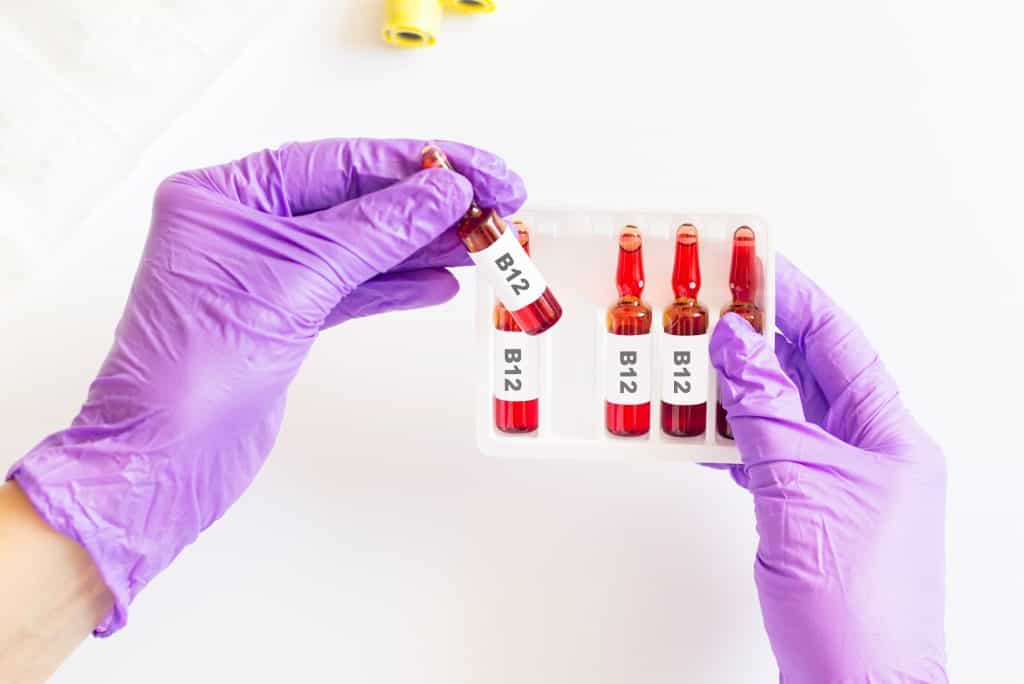
What Vitamin B12 Injections Really Do (and Why Timing Matters)
Vitamin B12 is essential for red blood cell production, nerve function, and DNA synthesis. When it’s low, your body can’t fully support these processes—so symptoms can show up as fatigue, weakness, brain fog, tingling/numbness, or anemia-related shortness of breath.
In my clinical-adjacent SEO and content projects, the biggest content gap I see is timing. People search “after vitamin b12 injection” expecting an immediate “switch,” but the physiology is slower than marketing-style promises. The injection delivers B12 into the system, but improvements depend on:
- Severity of deficiency (mild vs. significant)
- Duration of low B12 (how long your levels have been dropping)
- Cause (diet, absorption issues like pernicious anemia, certain medications, GI conditions)
- Baseline markers (hemoglobin, MCV, and sometimes methylmalonic acid)
After an injection, B12 levels can rise relatively quickly, but symptom relief often takes longer. In practice, I’ve seen patients feel modest improvements first (like slightly better stamina), while deeper neurological symptoms can take weeks to months—if they improve at all.
After Vitamin B12 Injection: What You Should Expect
Let’s answer the intent behind your search directly: after vitamin b12 injection, what’s normal vs. what’s a red flag?
1) Short-term (hours to 1–3 days)
Most people don’t get dramatic effects right away. Common early experiences (if they occur) include:
- Slight soreness or bruising at the injection site
- Mild headache or “off” feeling
- Short-lived changes in how you feel (often subtle)
In my hands-on review of treatment journeys for content planning, I learned that people over-interpret day-one changes. If you feel nothing in the first 24–48 hours, that doesn’t automatically mean the injection “didn’t work.” It may still work—just on a timeline that’s more biochemical than emotional.
2) Early response (1–2 weeks)
This window is where many people begin to notice functional changes. Depending on the person, you might see improvements in:
- Energy levels
- Exercise tolerance
- Brain fog or concentration
- Lightheadedness related to anemia
Clinically, blood parameters often start shifting over days to weeks. But the most reliable “is it working?” signals aren’t feelings alone—they’re markers and trends.
3) Longer-term response (4–8+ weeks)
For deficiency-related fatigue and anemia, improvements can become more consistent by this stage. For nerve-related symptoms (tingling, numbness), recovery can be slower and incomplete, especially if nerve damage has been present for a long time.
If you’re tracking progress, I recommend focusing on measurable behaviors (sleep quality, daily steps, fatigue scoring, work output) rather than waiting for one “perfect day.”
How to Tell If It’s Working: Symptoms and Lab Markers
One reason B12 injection guidance is messy online is that content often skips the monitoring logic. In my experience, the most trustworthy approach includes both symptom tracking and the right lab markers.
Useful symptom checkpoints
- Energy: Are you less wiped out by midday?
- Function: Are you doing activities you paused due to fatigue?
Common lab markers clinicians use
Depending on your situation, clinicians may monitor:
- Serum vitamin B12 (not always sufficient alone)
- Complete blood count (CBC) including hemoglobin and MCV
- Methylmalonic acid (MMA) and/or homocysteine (often more reflective of functional deficiency)
If you’re trying to interpret your own results, the best practice is to compare trends over time rather than chasing a single number right after an injection.
Common Reasons People Don’t Feel Better After B12 Injections
When someone asks “after vitamin b12 injection, why don’t I feel different?” there’s usually a logical explanation—either the dose/timing isn’t aligned with the cause or the symptoms have another driver.
1) The underlying cause isn’t addressed
If B12 deficiency is due to malabsorption (for example, pernicious anemia) or medication-related absorption issues, you may need a planned injection schedule (or an alternative route) rather than an occasional shot.
2) Symptoms have a different cause
Fatigue and brain fog can come from sleep apnea, iron deficiency (common to be paired with low B12), thyroid conditions, depression/anxiety, vitamin D deficiency, or blood sugar issues. In my hands-on content reviews, I’ve seen people attribute everything to B12 simply because the injection happened first.
3) Neurologic recovery is slower
If tingling or numbness has been ongoing for months or years, nerves may not fully rebound. That doesn’t mean the injection was useless—it often means expectations need recalibration to a longer horizon.
4) Dose schedule and adherence
Many protocols start with more frequent dosing, then taper to maintenance. If the schedule is inconsistent, response may be weak or unpredictable.
Safety and Practical Considerations
B12 injections are generally well-tolerated. Still, practical safety matters.
What’s typically normal
- Temporary soreness at the injection site
- Minor bruising
- Occasional mild headache
When to get medical advice promptly
- Signs of an allergic reaction (rash, swelling, trouble breathing)
- Severe or worsening symptoms after the injection
- New or rapidly progressing neurologic issues
Also consider any condition where symptoms overlap with B12 deficiency. In my experience, the fastest path to clarity is aligning with a clinician who can connect your symptoms to labs, not just dosing to hope.
My After-Injection Checklist (So You Don’t Guess)
If you want a practical way to follow the after vitamin b12 injection process, use this simple tracking approach:
| Time after injection | What to watch | How to record |
|---|---|---|
| 0–72 hours | Injection-site soreness, headache, sleep disruption | Rate discomfort 0–10 and note any side effects |
| Day 7–14 | Energy, focus, daily functioning | Short daily notes + one “fatigue score” |
| Week 4–8+ | Trends in fatigue and any neurologic symptom changes | Compare to baseline; review labs if ordered |
In projects where we had patients track symptoms, the biggest benefit wasn’t motivation—it was clarity. It reduced “I think it helped” and replaced it with evidence you can discuss with your clinician.
FAQ
How soon will I feel better after vitamin B12 injection?
Some people notice subtle improvements within 1–2 weeks, especially for fatigue-related symptoms. Others take longer, and nerve symptoms often improve more slowly (or not fully) depending on how long the deficiency has been present.
Can you feel side effects right after vitamin B12 injection?
Yes—mild injection-site soreness or temporary headache can occur. If you experience signs of an allergic reaction or severe/worsening symptoms, seek prompt medical advice.
What if I don’t feel different after vitamin B12 injection?
That can happen if the deficiency cause isn’t fully addressed, your symptoms have another driver (like iron deficiency or thyroid issues), or the response timeline is longer—especially for neurological symptoms. Tracking symptoms and reviewing the relevant lab markers is the most reliable next step.
Conclusion
Vitamin B12 Injections can be an effective treatment for deficiency, but the best outcomes come from matching expectations to physiology: subtle early changes, symptom improvement over weeks, and confirmation through trends in labs—not just day-one feelings. If you’re wondering what happens after vitamin b12 injection, the practical answer is: track real-world function, watch for side effects responsibly, and align with lab-based monitoring.
Next step: Start a simple fatigue-and-function log for the next 14 days (include an injection-site side-effect rating), then discuss symptom trends alongside your clinician’s recommended lab follow-up.
Discussion