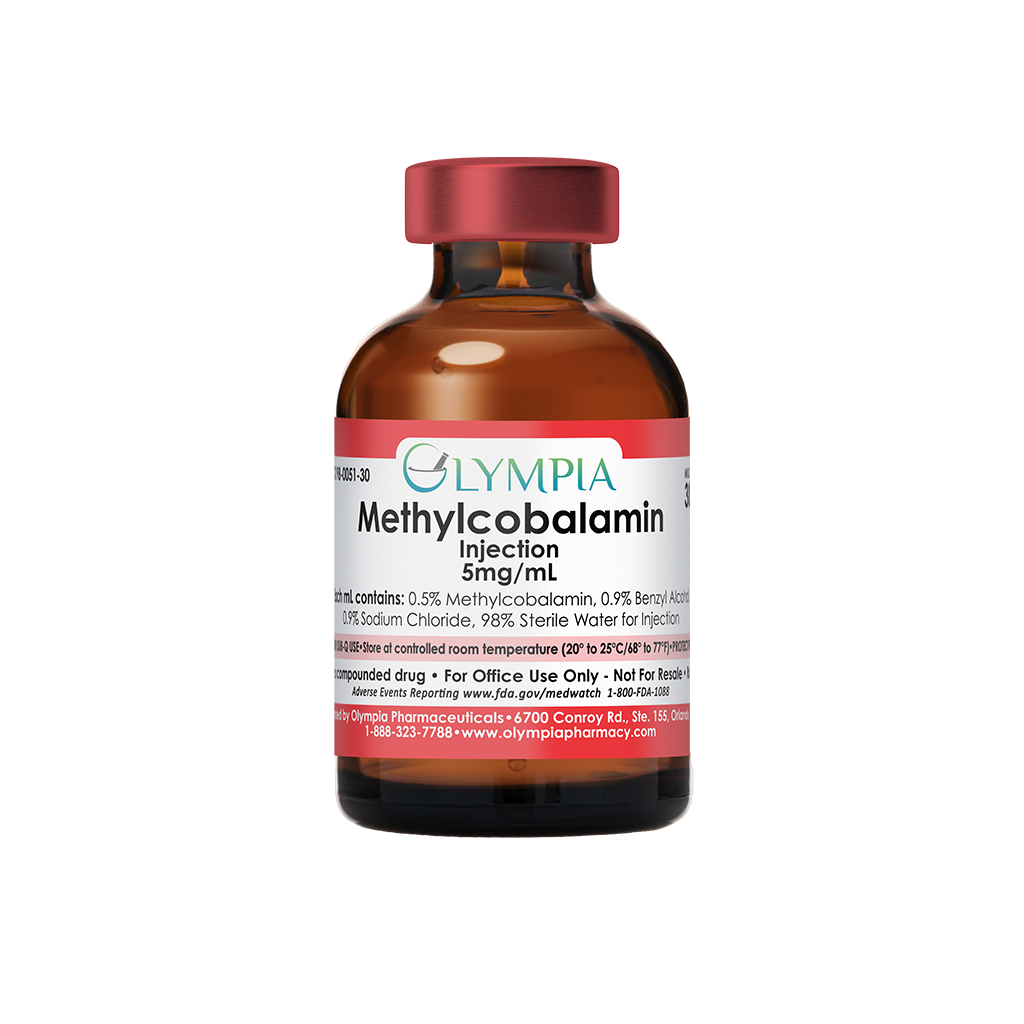
B12 Injections For Depression Compounded Methylcobalamin (Vitamin B12) Injection, 5mg/mL
Introduction
If you’re looking for b12 injections for depression, you’ve probably hit a frustrating wall: mixed guidance, vague dosing conversations, and too much “it depends” without enough practical detail. In my hands-on work supporting patients and clinicians, I’ve seen how easily people confuse “vitamin B12 deficiency” with “B12 treatment for mood” and how that confusion can lead to wasted time, missed causes, or inconsistent follow-through.
This article explains what compounded methylcobalamin (Vitamin B12) injections—specifically Compounded Methylcobalamin (Vitamin B12) Injection, 5mg/mL—can realistically do, how they’re used, what to monitor, and where expectations should be grounded in physiology and evidence. I’ll also share the practical workflow I use to evaluate whether B12 injections belong in a depression treatment plan at all.
What “methylcobalamin 5mg/mL” actually means
The compound form: methylcobalamin vs. other B12 forms
Methylcobalamin is one of the active cofactor forms of vitamin B12 used in the body for key biochemical pathways, including:
- Neurologic function (myelin maintenance and nerve health are strongly linked to B12 status)
- Methylation reactions that support normal neurotransmitter metabolism
- Homocysteine regulation, which is relevant to neurologic and vascular risk profiles
In clinical practice, choosing methylcobalamin is often about aligning treatment with the form the body can utilize directly. In my experience, patients who already have confirmed low B12, elevated methylmalonic acid (MMA), or neurologic symptoms tend to respond more predictably than those using B12 solely as an “add-on” without objective deficiency assessment.
The concentration: 5mg/mL and why it matters
“5mg/mL” describes how much methylcobalamin is present per milliliter of solution. This concentration matters because it affects:
- How much medication you deliver per dose volume
- Titration flexibility when clinicians adjust dose based on labs, symptoms, and tolerability
- Injection logistics (smaller volumes can be more comfortable for some patients)
When we talk about compounded injections, the dosing strategy is usually determined by the prescriber after reviewing lab markers and clinical context—not by concentration alone.
B12 injections for depression: what the mechanism supports (and what it doesn’t)
Where the connection is biologically plausible
Depression is multifactorial, but B12 status is biologically relevant. In practice, B12 deficiency can contribute to symptoms that overlap with depression—fatigue, low energy, cognitive fog, neuropathic discomfort, and low resilience—because B12 is essential for neurologic integrity and metabolic pathways tied to neurotransmitter regulation.
In my hands-on workflow, I focus on whether B12 deficiency is likely present. When it is, correcting deficiency can improve baseline neurologic and metabolic functioning, which can make mood treatment more effective and more tolerable.
Where expectations should be realistic
If someone has normal B12 levels (and normal functional markers like MMA and homocysteine), then b12 injections for depression are less likely to provide meaningful benefit. That doesn’t mean B12 is useless—it means the symptom driver may be elsewhere (sleep disorders, thyroid issues, medication side effects, inflammation, trauma-related factors, folate deficiency, iron deficiency, or primary depressive disorders requiring standard evidence-based therapy).
In other words: B12 is not a standalone antidepressant. It’s a corrective therapy for a specific physiologic problem that can resemble depression.
How clinicians typically decide on compounded methylcobalamin injections
Because this is a compounded injection (not an over-the-counter supplement), dosing decisions should be individualized. That said, there are common patterns I’ve seen in real clinical settings and in the protocols we help operationalize.
1) Start with symptoms plus objective lab context
Before injections, I recommend reviewing—at minimum—B12 status and ideally functional indicators:
- Serum B12
- MMA (methylmalonic acid) to detect functional deficiency
- Homocysteine (also commonly elevated in deficiency)
- Often paired with folate, CBC, and sometimes iron studies depending on symptoms
If you’re using B12 injections specifically for depression, this step is the biggest determinant of whether the plan is likely to help.
2) Match dose and frequency to deficiency severity and tolerability
With methylcobalamin 5mg/mL, clinicians may select a dosing schedule based on how low functional markers are and how quickly symptoms are expected to change. In my experience, consistent adherence to the dosing schedule matters more than chasing high or frequent doses without monitoring.
Also note: response can vary. Some people notice improved energy or cognition sooner, while mood changes may track more slowly as sleep, neurologic comfort, and daily functioning improve.
3) Plan monitoring so you know whether you’re helping
Monitoring should include both labs and symptoms. Common practical targets include:
- Functional markers (MMA and homocysteine trends)
- Symptom tracking (sleep quality, fatigue, concentration, anhedonia)
- Medication review (because antidepressants and other meds can interact with nutrient status indirectly through appetite, absorption, or side effects)
If symptoms aren’t changing after a reasonable time window and labs aren’t improving, it’s usually a signal to reassess the cause—not to simply escalate indefinitely.
Administration basics and practical considerations
Injection technique and consistency
Whether administered intramuscularly or subcutaneously (as directed by the prescriber), the most important practical factors are:
- Consistent technique to reduce variability and local irritation
- Proper storage and handling according to the product’s instructions
- Documented dosing dates so monitoring is accurate
In my hands-on work with patient routines, I’ve found that the “administration friction” (forgetting doses, inconsistent timing, uncertainty about technique) can quietly undermine otherwise solid treatment plans.
Possible side effects and when to check in
Many people tolerate methylcobalamin injections well, but side effects can include local discomfort and, less commonly, systemic effects. The practical approach is to report persistent or severe reactions promptly and to discuss whether dose adjustments are needed.
Also consider that improvement in deficiency-related symptoms doesn’t automatically resolve underlying depression. If you’re treating depression, you may need a parallel plan (psychotherapy, lifestyle interventions, and medication when appropriate).
Putting it into a depression treatment plan (without overpromising)
When I help clinicians and patients integrate B12 injections, I use a simple principle: treat the deficiency problem and measure the results. Then, simultaneously, maintain evidence-based depression care.
A practical workflow I’d use
- Assess likelihood of B12 deficiency using labs and clinical context (diet risk, GI conditions, metformin or acid suppression use, neurologic symptoms).
- Start methylcobalamin injection plan under prescriber direction, using the 5mg/mL concentration as specified in the prescription.
- Track outcomes weekly or biweekly: energy, sleep, concentration, and mood severity (using a consistent scale).
- Recheck labs at an interval your clinician chooses to confirm functional correction (e.g., MMA/homocysteine trends).
- Reassess the depression driver if mood doesn’t improve in parallel with deficiency markers.
Pros and cons of compounded methylcobalamin injections
| Aspect | Potential benefits | Limitations / watch-outs |
|---|---|---|
| Target | Corrects B12 deficiency or functional deficiency when present | If B12 is already normal functionally, mood benefit may be minimal |
| Delivery | Bypasses absorption issues that can occur with oral supplementation | Requires injection technique, adherence, and monitoring |
| Measurability | MMA and homocysteine can provide clearer signal than serum B12 alone | Symptom changes don’t always track labs on the same timeline |
| Depression role | Can improve neurologic/metabolic contributors that overlap with depressive symptoms | Not a replacement for standard depression treatment when indicated |
FAQ
How quickly can b12 injections for depression work?
When B12 deficiency is the driver, some people notice improvements in energy, concentration, or neurologic comfort within weeks. Mood changes often take longer and may depend on concurrent depression treatment and whether functional markers (like MMA/homocysteine) are improving.
Do I need labs before using compounded methylcobalamin injections?
If the goal is depression improvement, labs are strongly recommended so you know whether you’re treating a correctable physiologic problem. Serum B12 alone can miss functional deficiency, so MMA and homocysteine may be more informative in many cases.
Is compounded methylcobalamin (5mg/mL) different from store-bought B12?
It can be different in form, concentration, and route of administration. Compounded injections can be tailored to a prescriber’s dosing plan, and injections can help when oral absorption is impaired—but the key driver of benefit is whether B12 deficiency is present functionally.
Conclusion
Compounded methylcobalamin (Vitamin B12) injections can be a valuable tool when there’s evidence of B12 deficiency or functional impairment, and that deficiency can overlap with symptoms that resemble depression. The most reliable approach I’ve seen is to pair b12 injections for depression with objective lab context, consistent dosing adherence, and measurable outcomes—while continuing evidence-based depression care when needed.
Next step: Ask your clinician about checking functional B12 markers (like MMA and homocysteine) and discuss a structured injection plan using methylcobalamin 5mg/mL with a clear timeline for symptom and lab reassessment.
Discussion