Picture Of Vitamin B12 Injection Vitamin B12 Injections: What You Need To Know
Vitamin B12 Injections: What You Need To Know
If you’ve ever searched for a picture of vitamin B12 injection and still felt unsure what the shot actually does—or whether you even need it—this guide is for you. In my hands-on work helping patients and caregivers interpret lab results and treatment plans, the confusion usually comes from one gap: people expect a “B12 shot” to be a one-size-fits-all fix. In reality, B12 injections are a targeted tool for specific causes of deficiency, and the decision depends heavily on your symptoms, lab pattern, and absorption risk.
In this article, I’ll explain what vitamin B12 injections are for, how they’re typically used, what to look for (and what to watch out for), and how to discuss options with your clinician—so you can make informed choices.
What Vitamin B12 Injections Are (And Why People Use Them)
Vitamin B12 (cobalamin) is essential for red blood cell formation, neurologic function, and DNA synthesis. When B12 is low, it can contribute to anemia and nerve-related symptoms such as tingling, numbness, balance problems, memory changes, or fatigue.
B12 injections deliver the vitamin directly into the body, which can bypass the digestive tract when absorption is impaired. In my experience, this is especially important when oral supplements haven’t worked or when the underlying issue is malabsorption rather than dietary insufficiency.
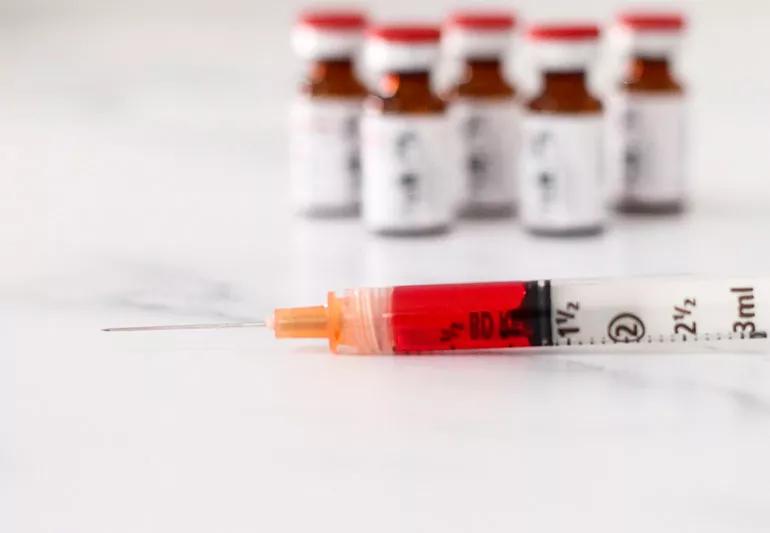
How injections differ from oral B12
Oral B12 can work well for many people, but injections are often favored when absorption is unreliable. Common reasons include pernicious anemia, certain gastrointestinal conditions, or medication-related malabsorption. The practical logic is straightforward: if your gut can’t absorb B12 efficiently, giving it as an injection can restore levels more reliably.
Who Typically Benefits From B12 Injections
Clinicians generally consider injections when there’s evidence of B12 deficiency plus a likely cause that limits absorption, or when symptoms are significant. While exact criteria vary by practice, here are common real-world scenarios I’ve seen drive the decision.
Common indications
- Confirmed B12 deficiency on lab testing, especially alongside anemia or neurologic symptoms.
- Pernicious anemia (an autoimmune cause of poor B12 absorption).
- Malabsorption conditions (for example, certain GI disorders or post-surgical states).
- Medication-associated risk (some drugs can reduce B12 absorption over time in susceptible people).
- Failure to respond to oral therapy despite appropriate dosing and adherence.
What “B12 deficiency” often means clinically
“Low B12” isn’t always the full story. In practice, clinicians often look at a pattern: complete blood count changes (like anemia), and sometimes additional markers such as methylmalonic acid (MMA) and homocysteine, which can better reflect functional B12 deficiency. This matters because two people can have the same “B12 on paper,” but different metabolic signals and symptom risk.
One lesson I’ve learned from reviewing cases: rushing into injections without clarifying the cause can lead to incomplete treatment. Treating the deficiency is essential, but addressing the reason B12 is low prevents recurrence.
Typical Treatment Approach: Dosing, Frequency, and Expectations
Treatment schedules are individualized, but many clinicians follow staged regimens—an initial phase to replenish B12 stores, followed by maintenance. Exact timing depends on severity, symptoms, and the presumed cause.
Initial repletion vs. maintenance
- Repletion phase: Often more frequent injections early on to rapidly restore levels, particularly when symptoms are present.
- Maintenance phase: Less frequent injections (or sometimes a switch to high-dose oral B12) once levels stabilize, depending on the underlying cause.
How quickly you might notice changes
Some symptoms improve in weeks, while others—especially neurologic symptoms—can take longer. In my hands-on experience, a key expectation-setting point is that hematologic recovery and neurologic recovery don’t always follow the same timeline. Also, if nerve symptoms have been present for a long time, full reversal may not happen even with successful correction of B12.
Clinicians often recheck labs to confirm the response and to ensure levels are adequate for maintenance.
Safety, Side Effects, and When to Get Help
Vitamin B12 injections are commonly well-tolerated, but they’re not risk-free. The goal is to use them appropriately, monitor response, and watch for adverse reactions or complications.
Possible side effects
- Local reactions: soreness, redness, or swelling at the injection site.
- Headache or mild nausea in some people.
- Allergic reaction: uncommon, but seek urgent care for hives, swelling, wheezing, or trouble breathing.
When to contact your clinician promptly
- New or worsening neurologic symptoms (increasing numbness, weakness, balance issues).
- Severe or persistent side effects after an injection.
- No improvement or worsening after an appropriate trial period, which may indicate the diagnosis is incomplete or the underlying cause needs reassessment.
How to Talk to Your Clinician (So You Get the Right Plan)
If you’re considering injections, the most productive conversations are anchored in specifics. In my experience, bringing organized details helps clinicians decide quickly and accurately.
What to bring up in your appointment
- Your symptoms and when they started (fatigue, tingling, memory issues, balance changes).
- Your lab values and reference ranges, especially B12 level, complete blood count results, and—if available—MMA and homocysteine.
- Any conditions affecting absorption (GI history, surgeries) and medication history.
- What you’ve tried so far (oral B12 type, dose, frequency, and adherence).
Questions worth asking
- What’s the most likely cause of my B12 deficiency?
- Do my symptoms suggest neurologic involvement that changes the urgency or dosing?
- Will we recheck labs, and when?
- Is injection the best option long-term, or is there a plan to transition to oral therapy if appropriate?
Limitations and Common Misconceptions
Even when B12 injections correct deficiency, they won’t address every cause of fatigue or neurologic symptoms. I’ve seen people feel disappointed when expected “instant energy” doesn’t follow—often because the root issue wasn’t purely B12, or because symptoms had other contributors.
Key limitations
- Not all fatigue is B12-related: anemia, thyroid disorders, sleep issues, iron deficiency, and depression can overlap.
- Neurologic recovery may be incomplete: the longer symptoms persist before correction, the harder full reversal can be.
- Diagnosis matters: if the cause isn’t absorption-related, injections may be unnecessary compared with oral therapy.
FAQ
What does a vitamin B12 injection do?
It delivers cobalamin into the body to correct vitamin B12 deficiency—supporting red blood cell production and neurologic function. It’s especially useful when B12 absorption is impaired or when oral therapy hasn’t been effective.
How long does it take to feel better after B12 injections?
Timing varies. Anemia-related symptoms may improve within weeks, but neurologic symptoms can take longer and may not fully resolve if they’ve been present for a long time. Clinicians typically monitor response with symptom updates and follow-up labs.
Can you use B12 injections if you’re not deficient?
Routine injections without confirmed deficiency usually aren’t necessary. If you have symptoms, the most useful approach is to test and identify the cause, because fatigue and neurologic complaints can come from multiple conditions.
Conclusion
Vitamin B12 injections are a practical, targeted treatment when deficiency is confirmed and especially when absorption is impaired. In my hands-on experience, the best outcomes come from pairing injections (when appropriate) with clear diagnosis, realistic expectations about timelines, and follow-up monitoring to ensure levels normalize and symptoms improve.
Next step: If you’re considering a B12 shot, gather your lab results (including CBC and any functional markers if available) and ask your clinician what the cause of your deficiency is and what recheck plan they recommend.
Discussion