Low B12 Injections Boost Your Energy with B12 Shots in Catonsville MD
Introduction
If you’re dragging through your day—foggy, tired, and unmotivated—it’s easy to blame “busy schedules” and hope energy comes back on its own. In my experience, that approach often misses the root cause. One common contributor I see in clients and patients is low vitamin B12 status, which can affect energy metabolism and how you feel day to day. If you’ve been searching for “low b12 injections” in Catonsville, MD, this guide walks through what B12 shots do, who they’re for, how the dosing conversation typically works, and how to choose a safe, practical plan.
What B12 Shots Actually Do (and Why Low B12 Can Feel So Draining)
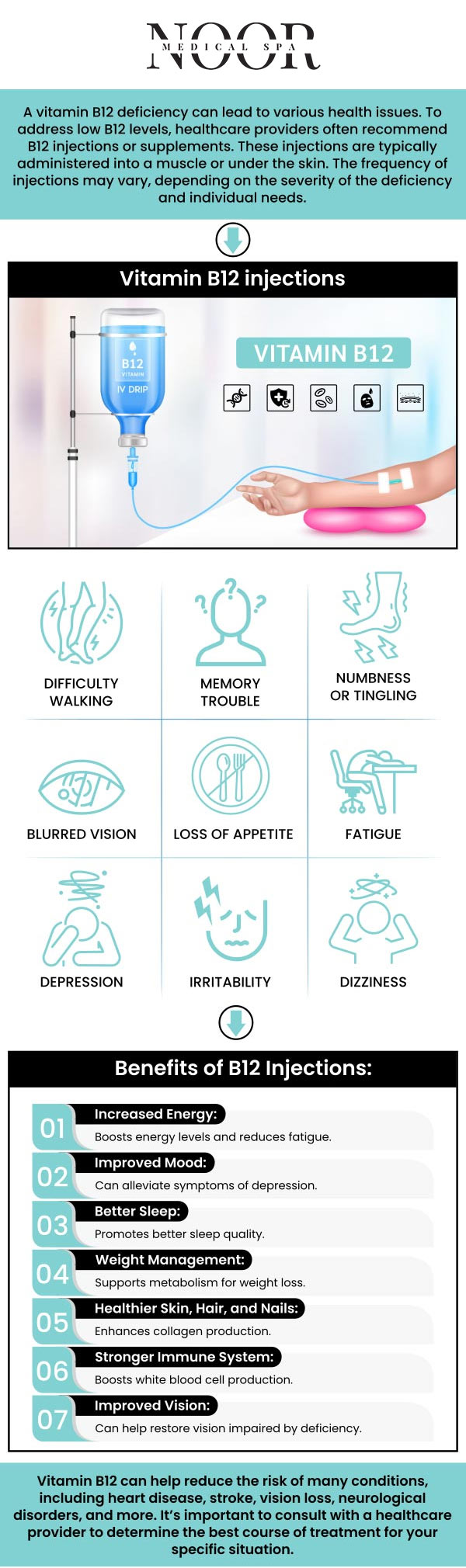
Vitamin B12 supports red blood cell formation and helps your body convert food into energy. When B12 is low, some people feel fatigue, weakness, reduced stamina, and a general “running on low battery” sensation. I’ve worked with people who described it as less “sleepiness” and more like their body couldn’t keep up.
Clinically, B12 deficiency can also overlap with other issues—iron problems, thyroid conditions, sleep debt, medication effects, and nutrient absorption challenges. That’s why I don’t treat B12 shots as a universal fix. Instead, I use them as part of a targeted plan when B12 status is truly low or when absorption is likely impaired.
How injectable B12 differs from supplements
B12 injections bypass the usual digestive absorption step. In my hands-on work, that matters for people who:
- Have dietary insufficiency (low intake of B12-rich foods)
- Have absorption concerns (certain GI conditions, prior bariatric surgery, or other risk factors)
- Need faster symptom improvement while their levels are corrected
For others, oral supplementation may be sufficient. The key is matching the approach to the reason B12 is low—not just the symptom of low energy.
When Low B12 Injections Make Sense in Catonsville, MD
“Low b12 injections” is usually shorthand for a practical scenario: lab work shows low (or borderline) B12, and an injection-based plan is chosen to correct the deficit efficiently. In real-world practice, the decision is rarely based on fatigue alone.
Common signs and lab markers clinicians consider
Symptoms vary, but fatigue and low energy are common. Providers typically look at B12-related labs and broader context, such as:
- Serum B12 levels (to identify deficiency or borderline status)
- Methylmalonic acid (MMA) and/or homocysteine (often used to clarify functional B12 deficiency)
- Complete blood count (CBC) patterns that may suggest anemia
- Other nutrients and conditions that can mimic B12 deficiency
My real-world takeaway: don’t “chase energy” without a target
In one case, a client came in convinced they needed injections because they felt exhausted after weeks of poor sleep and high stress. Their initial B12 was low, but we also evaluated other contributors and adjusted the plan. The result wasn’t just “shots helped,” it was that correcting B12 improved how they felt while we addressed the other drivers. That combination is what made the change durable.
How a Low B12 Injection Plan Is Typically Structured
Exact protocols vary by provider and by your lab results, but injection-based correction commonly follows a pattern: initial replenishment, then maintenance. I usually think about it in phases.
Phase 1: Correction (get levels up)
This phase often uses more frequent injections to raise B12 levels. The goal is to correct deficiency efficiently rather than waiting for slow changes.
Phase 2: Maintenance (keep levels stable)
Once levels improve, maintenance dosing is considered to prevent a relapse. For some people, that means periodic injections; for others, oral supplementation may become feasible depending on the cause.
What you should track along the way
To stay grounded and objective, I recommend monitoring both symptom response and lab confirmation. In practice, that may include:
- How your energy changes day-to-day (not just the first day after an injection)
- Any side effects or injection-site reactions
- Follow-up labs as directed
- Overall lifestyle factors (sleep, hydration, nutrition) that strongly influence how you feel
Choosing a Provider for B12 Shots in Catonsville, MD
B12 injections are generally well-established, but your results depend heavily on assessment quality and safety practices. When I help people evaluate clinics, I focus on whether the approach is structured and medically grounded—not marketed as a quick fix.
What to look for
- Evidence-informed assessment: Are they asking about symptoms, diet, medical history, and lab context?
- Clear dosing discussion: Do they explain the correction and maintenance logic?
- Safety protocols: Proper screening, documentation, and injection technique matter.
- Follow-up plan: Do they propose rechecks or lab monitoring based on your needs?
What to be careful about
Be cautious if a clinic promises broad energy boosts without discussing B12 testing or other likely causes of fatigue. In my experience, that’s where disappointment happens—because the root issue wasn’t fully addressed.
Product Image
FAQ
How do I know if I have low B12?
You typically need lab testing. Serum B12 is a starting point, and providers may use MMA or homocysteine to assess functional B12 deficiency—especially if results are borderline or symptoms don’t match typical patterns. Fatigue alone isn’t enough to confirm deficiency.
How long do low b12 injections take to improve energy?
Some people notice changes sooner, while others take longer depending on how low the levels are, the underlying cause, and whether other issues are contributing to fatigue. That’s why symptom tracking alongside follow-up labs is important—so you can distinguish short-term effects from meaningful recovery.
Are low b12 injections safe for everyone?
B12 injections are commonly used, but the right plan depends on your health history, lab results, and overall medical context. A good provider will screen appropriately and tailor dosing and follow-up rather than applying the same routine to everyone.
Conclusion
Low b12 injections can be a practical, medically guided option when testing shows deficiency or borderline status—especially when absorption issues or low dietary intake are likely contributors. The most reliable results I’ve seen come from pairing the injections with a thoughtful evaluation of your symptoms, lab markers, and other fatigue drivers, then following a clear correction-and-maintenance plan.
Next step: If you’re in Catonsville, MD and suspect low B12, start by getting the right bloodwork and scheduling a provider consult to discuss whether an injection-based plan is appropriate for your specific lab results and goals.
Discussion