Peptide Patches Bpc 157 Peptides in a patch: A Nurse Practitioner's Perspective – Hi, Finch
Peptide Patches and BPC-157: What I’ve Learned Working as a Nurse Practitioner
If you’ve ever wondered whether peptide patches can be a practical way to use peptides without the hassle (or discomfort) of injections, you’re not alone. In my clinic, that question comes up frequently—especially around peptide patches bpc 157. The promise is appealing: steady, localized absorption through the skin with fewer steps and less day-to-day complexity.
In this article, I’ll share what I look for clinically when evaluating peptide patches, how I think about real-world use, what benefits are plausible, and where people most often get misled. I’m going to keep it grounded in how patients actually use these products and what I’ve seen work (and what hasn’t) across real schedules, real skin types, and real adherence challenges.
What Are Peptide Patches (and Why BPC-157 Is Commonly Discussed)?
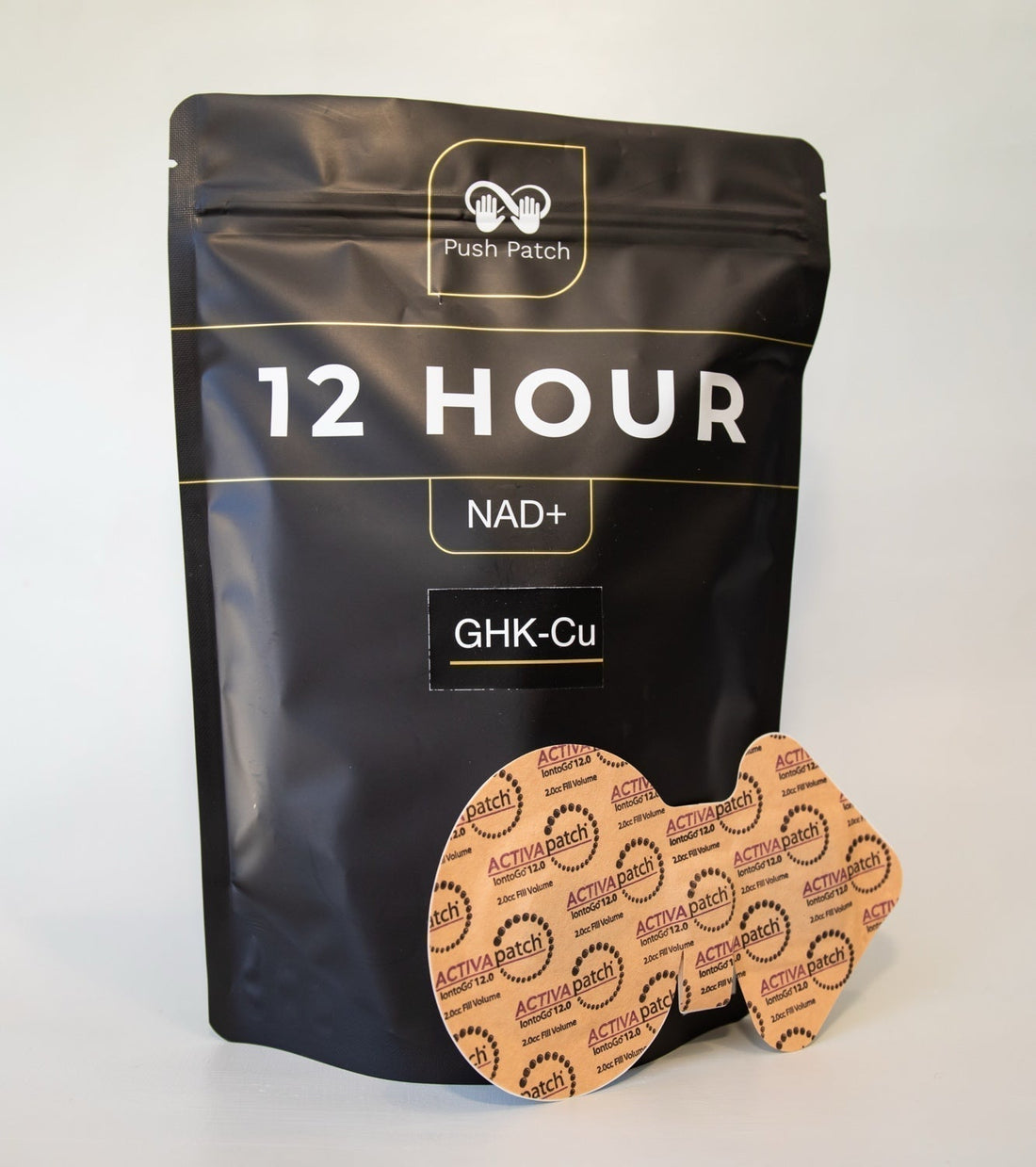
Peptide patches are topical delivery systems designed to hold a peptide formulation in contact with the skin long enough to promote absorption. Instead of a needle, the routine is typically: apply the patch to a chosen site, wear it for a specified duration, and replace it according to label instructions.
Why the “patch” format matters
From an outcomes perspective, the key question isn’t just “does the peptide work?”—it’s whether the delivery method supports consistent exposure. Patches can help with:
- Adherence: Patients who struggle with injection routines may stick better to a patch regimen.
- Ease of use: Less procedural friction can mean fewer missed doses.
- Localized application: Many people select sites near an injury area, hoping for targeted effect.
Where BPC-157 fits into the conversation
BPC-157 is often discussed in the context of tissue support and recovery. In my hands-on work, I’ve noticed that most patients come to peptide patches bpc 157 with a specific goal—improving comfort during rehab, supporting recovery after overuse, or trying to bridge gaps when they can’t stay consistent with other modalities.
However, it’s important to separate two ideas:
- Mechanistic plausibility: Some peptides have biologically interesting pathways.
- Real-world results for individuals: Outcomes depend heavily on dosing regimen, skin tolerance, product quality, and the underlying condition.
Clinic-Style Reality Check: What I Look For Before Recommending a Patch
When I evaluate whether peptide patches bpc 157 are worth trying, I focus on variables that directly affect tolerability and consistency. Over time, I learned that “the product on paper” is rarely the whole story.
1) Product quality and labeling clarity
The biggest trust signal is clear, specific labeling: what’s inside, how much, and how the patch is intended to be used. In practice, I ask:
- Is the peptide dose stated in a way patients can actually follow?
- Are instructions for wear time and replacement included?
- Is there a credible quality standard behind the formulation?
I’ve had patients bring products with vague directions or inconsistent labeling, and it’s one of the main reasons people report “mixed results.” If the routine isn’t clear, adherence becomes guesswork.
2) Skin tolerance and irritation risk
Patches contact skin for hours at a time. In my clinical experience, skin irritation is one of the most common limiting factors. I recommend planning for:
- Patch removal timing: Don’t “stretch” wear time just to finish a schedule.
- Rotation of sites: Avoid repeatedly patching the exact same spot if you’re prone to irritation.
- Monitoring: Watch for persistent redness, itching, or rash.
One practical lesson I learned: even if a patient feels they can tolerate the patch, micro-irritation can accumulate. That often leads to patch avoidance later—which silently breaks the regimen.
3) Fit with the patient’s routine (adherence wins)
Adherence is not a motivational slogan—it’s logistics. I’ve seen better results when patch use fits the patient’s real life:
- Work schedules
- Shower timing
- Training or physical therapy sessions
- Sleep patterns
If a regimen forces people to remove patches at inconvenient times, they will. In my clinic, I treat adherence planning as part of the “protocol.”
How Peptide Patches BPC-157 Are Typically Used (and Common Mistakes)
Since exact instructions vary by manufacturer, I’ll stay general and process-oriented. Always follow the specific label directions for the product you’re using.
Common use pattern
Most peptide patch regimens follow a structure like:
- Prep the skin: Clean and dry the area; avoid lotions that could interfere with adhesion.
- Apply to the selected site: Press edges to ensure full contact.
- Wear for the indicated duration: Remove at the scheduled time.
- Replace per the plan: Use the labeled replacement frequency.
- Rotate sites: Reduce irritation and improve comfort over time.
Mistakes I see often
- Over-wearing: Patients assume “longer equals better.” That’s not a safe assumption with topical delivery.
- Inconsistent placement: Reapplying to irritated skin makes adherence worse and can affect tolerance.
- Skipping product instructions: People may change variables (wear time, frequency) without realizing they’ve altered the intended exposure.
- Expecting immediate transformation: In recovery contexts, results—if they occur—are usually measured across weeks, not days.
What Results Can You Reasonably Expect?
In a nurse practitioner role, I try to set expectations that protect both safety and confidence. With peptide patches bpc 157, people typically look for changes in comfort, recovery pacing, or day-to-day function—especially during rehab.
A realistic expectation framework
- Short-term: Some people notice comfort changes sooner, but it’s not guaranteed.
- Medium-term: More meaningful progress, if it happens, often becomes clearer over consistent use paired with appropriate rehab and activity modification.
- Long-term: Sustained benefits generally depend on the underlying problem, training load, sleep, nutrition, and continuity of care.
Why individualized outcomes are the norm
Two patients can use the same peptide patches bpc 157 product yet experience different results because of:
- differences in skin sensitivity and patch adherence
- variation in the condition being treated
- differences in concurrent rehab plans
- timing relative to injury stage or overuse cycle
In my experience, the most satisfied patients are the ones who treat patches as one component of a recovery plan rather than a stand-alone fix.
Safety and When to Stop Using a Patch
Topicals can still cause side effects. If you’re using peptide patches—especially in a regimen involving peptide patches bpc 157—be alert to skin and systemic tolerance.
Stop and reassess if you notice
- persistent or worsening redness
- itching, blistering, or a rash that doesn’t settle after removal
- pain beyond mild irritation
When to involve a clinician
If you’re dealing with a significant injury, progressive symptoms, or you have complex medical conditions or medications, it’s smart to involve your healthcare provider. Even when something seems “topical,” your overall context matters for safe decision-making.
Practical Checklist: Choosing and Using Peptide Patches BPC-157
- Read the label carefully: Follow wear time and replacement frequency exactly.
- Start with skin comfort: Rotate sites and monitor irritation.
- Align with your rehab: Don’t treat the patch as a substitute for appropriate activity modification and therapeutic exercises.
- Track adherence: If you miss days, your results become harder to interpret.
- Give it time: Evaluate changes across weeks, not days.
FAQ
Are peptide patches bpc 157 safe for everyone?
No topical approach is risk-free. Patches can irritate the skin, and individual medical context matters. If you develop persistent rash, blistering, or significant discomfort, stop and seek clinical guidance.
How long do I need to use peptide patches BPC-157 to see any effect?
There’s no universal timeline. In real-world practice, any meaningful change—if it occurs—usually becomes clearer over consistent use across weeks, especially when paired with a structured recovery plan.
Can I use peptide patches on any body area?
You should apply patches only to the areas and in the manner specified by the product instructions. Avoid areas with broken skin or severe irritation, and rotate sites to reduce contact dermatitis.
Conclusion: My Nurse Practitioner Take on Peptide Patches and BPC-157
Peptide patches can be a practical delivery option, and that practicality is often the reason patients actually stick with the regimen. When I consider peptide patches bpc 157 in a clinical context, I focus on quality labeling, skin tolerance, and adherence fit—because those factors determine whether the plan is executable in real life.
Next step: Choose a product with clear instructions, start by using it exactly as labeled while rotating application sites, and track comfort and adherence weekly for a few weeks alongside your rehab plan.
Discussion